|
The pistachio tree (Pistacia vera L.) is native to western Asia and Asia Minor, and was introduced into Mediterranean Europe early in the first century A.D. It is found growing in areas with a hot dry climate, such as Lebanon, Israel, Syria, Iran, India, southern Europe, the desert countries of Asia and Africa, and California. In California, the major portion of pistachio acreage is located in the hot and dry southern San Joaquin and Sacramento valleys. Climatic conditions in these areas are very similar to those in the pistachio-producing areas of Iran.
The pistachio tree was first introduced into the United States in 1854, but commercial production was not significant until 1972. Since that time, production has continued to increase with much of the product being exported to the European Union, Norway, and Switzerland as in-shell pistachios. Pistachio nuts may be contaminated by aflatoxins which have been shown to cause cancer in certain laboratory animals. Aflatoxins are produced by the molds Aspergillus flavus and Aspergillus parasiticus , and may contaminate the product during the various stages of harvesting and processing.
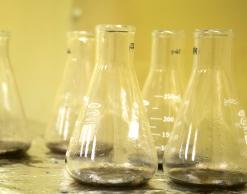
The California Pistachio Marketing Agreement as amended by the Administrative Committee for Pistachios (ACP) Amendments to Regulations Regarding Aflatoxin requires that no signatory shall ship pistachios to export markets without an aflatoxin certificate from a United States Department of Agriculture laboratory, or a USDA approved laboratory. The following approval program is conducted by USDA, Agricultural Marketing Service, Science and Technology at the request of the Administrative Committee for Pistachios to approve laboratories testing pistachios for aflatoxin and intended for export to certain export markets.
|